Honey Bee: A Whimsical Typeface for Playful Projects
There are moments in design when you need typography that does more than just convey words—you need it to carry a feeling. That’s precisely the charm of the Honey Bee font, a delightful display typeface where every letter seems to flutter with delicate, pastel-hued wings. It’s not just a set of characters; it’s a tiny piece of magic that can transform a standard project into something memorable and enchanting. For anyone working on a creative endeavor that calls for a dose of whimsy, this font offers a unique solution that feels both playful and polished.
A Font with Personality and Purpose
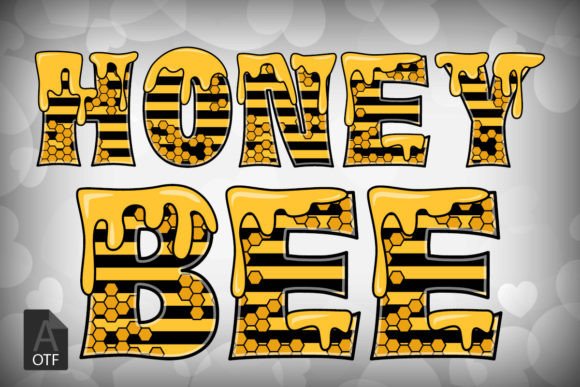
At its core, Honey Bee is a creative font designed to evoke joy and imagination. Each glyph is crafted with soft, illustrative wings that give the letters a light, airy quality. This makes it a standout choice for projects where the aesthetic is meant to be friendly, approachable, and slightly fantastical. Unlike a standard serif font or a clean sans serif, Honey Bee doesn’t hide its personality—it leads with it. This can be a powerful tool for brands or creators looking to establish a distinct visual voice that resonates with audiences on an emotional level.
The visual appeal lies in its details. The pastel color palette keeps the design feeling gentle and modern, avoiding anything garish or overly childish. The wing elements are integrated thoughtfully, ensuring the letters remain legible while still delivering that signature whimsical touch. This balance is crucial. A font can be beautiful, but if it sacrifices readability for style, its practical value drops. Honey Bee manages to walk that line effectively, making it a viable option for more than just large headline text.
Bringing Projects to Life: From Branding to Birthday Cards
So, where does a font like this truly shine? Its strength lies in applications where the goal is to create an emotional connection. Think about a children’s book cover where the title needs to sparkle with curiosity. Or a line of artisanal honey jars where the packaging should feel handcrafted and special. Honey Bee can serve as a cornerstone of a brand identity for a bakery, a toy store, or a children’s boutique, instantly communicating a sense of care and creativity.
For social media managers and content creators, this typeface is a goldmine. It can make Instagram stories, Pinterest pins, or YouTube thumbnails stand out in a crowded feed. A single word set in Honey Bee can act as a visual hook, drawing the eye and setting the tone for the content that follows. Similarly, for entrepreneurs designing digital products like printable planners, e-book covers, or online course graphics, incorporating this font adds a layer of professional whimsy that can increase perceived value and delight customers.
Consider these practical applications where Honey Bee can add significant value:
- Logo Design & Brand Marks: Perfect for brands in the kids' space, food industry, or any service that wants to appear friendly and imaginative.
- Packaging & Labels: Ideal for products like honey, baked goods, craft supplies, or party favors.
- Invitations & Greeting Cards: Birthdays, baby showers, or spring-themed events become instantly more charming.
- Posters & Editorial Layouts: Use it for chapter headings in a magazine or as a highlight font in a themed poster.
- Website Banners & Blog Graphics: Captures attention and reinforces a playful brand voice on digital platforms.
- Merchandise & Apparel: Think tote bags, t-shirts, or stickers where a cute, graphic font drives appeal.
Making It Work: Practical Design Considerations
Choosing a whimsical display font like Honey Bee is just the first step. Using it effectively requires some strategic thinking. The most important rule is context. This font is not for body text. Its intricate details would become a jumbled mess in a small paragraph. Instead, reserve it for headlines, logos, subheadings, or short phrases where its artistry can be appreciated.
Pairing is where the magic happens. To maintain a professional presentation and ensure your main message is readable, pair Honey Bee with a simple, neutral typeface. A clean sans serif like Montserrat or a classic serif like Lora can provide a stable, readable foundation for body copy, allowing the whimsical font to play the role of the star attraction without overwhelming the design. This contrast creates visual hierarchy and keeps your layout looking balanced and intentional.
Always test your font pairings in context. Mock up your design—whether it’s a logo concept, a social media post, or a packaging layout—to see how the fonts interact at actual size. Check the legibility of the whimsical font in different colors against various backgrounds. Does the pastel wing detail get lost on a busy image? Might it need a solid color behind it to pop? These are the practical tests that separate a good idea from a polished, professional result.
A Tool for Connection and Recognition
Ultimately, typography is a silent ambassador for your project. The right typeface doesn’t just look good; it communicates values, sets expectations, and builds recognition. A font like Honey Bee can become a key component of your brand’s visual consistency. When used repeatedly across your marketing assets, from your website to your email newsletters to your product tags, it starts to build a cohesive and recognizable identity that your audience will come to associate with your unique style.
For small business owners and creative entrepreneurs, investing in a premium font like this can be a smart move. It elevates your materials beyond the realm of free, overused fonts, helping your brand stand out as thoughtful and quality-focused. Just be sure to review the licensing. A commercial license is typically required if you plan to use the font for client work, merchandise for sale, or widespread digital distribution. This protects both you and the font designer.
In a world saturated with generic visuals, choosing a typeface with as much character as Honey Bee is a bold and effective strategy. It’s a design asset that does more than fill space—it tells a story, sparks a smile, and makes your project unforgettable. Whether you’re crafting a one-time invitation or building a long-term brand, sometimes the most powerful tool is the one that adds a little bit of magic to the mundane.